 Focalnook
How to Describe an Abstract Painting Using a Structured Language System
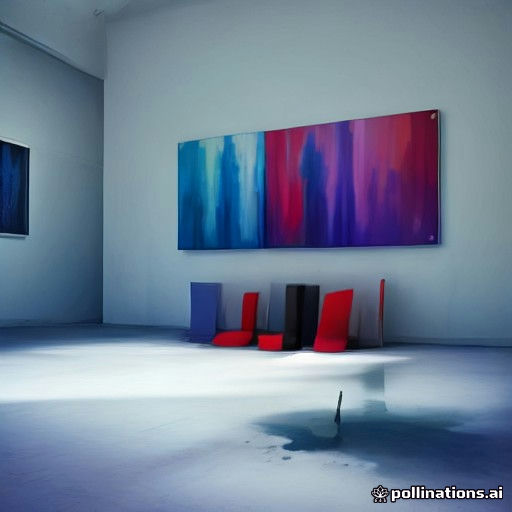
The problem with describing abstract art
Abstract paintings exist in a space where conventional language often fails. When you encounter a work that moves you, the standard reference points—artist name, size, palette, style—do not capture what actually drew your attention. Gallery labels and art criticism rely on narrative or historical context, tools that work poorly when the painting deliberately avoids representation. This gap leaves viewers searching for vocabulary that does not exist in the art world's standard lexicon.
How a structured dimension system works
ArtGraph approaches this problem by proposing that abstract art can be read through six dimensions. Rather than forcing abstract work into descriptive language that contradicts its nature, the system treats abstraction itself as the medium requiring its own framework. The dimensions function as a vocabulary specifically designed for abstract painting, allowing viewers to articulate responses that conventional art language cannot capture.
The system produces two outputs: an Art Gram, which gives visual form to how a painting reads across these dimensions, and an Encounter Graph, which records the specific moment of viewing and the viewer's response to the work. This separation acknowledges that understanding abstract art involves both what the painting expresses and what the viewer experiences in that encounter.
Moving beyond "I like it"
When standing before an abstract work, most viewers resort to simple reactions: "I like it" or "I do not understand it." These responses leave the actual experience unexamined. A structured approach to description asks different questions, ones that push beyond preference into the specifics of what the painting does and how it affects the viewer. Rather than evaluating whether the work is good or bad, this framework asks what dimensions it activates and how those dimensions register in the moment of encounter.
The developer of this system, Ritu Raj, is a painter and author who built it from direct engagement with the problem. The framework has been applied to numerous works, both by Raj and by other artists, tested against the same dimensional structure to see whether the language holds across different hands and approaches.
Practical use: searching and discussing abstract work
One concrete application is in how viewers search for or discuss abstract paintings. Before having words to describe what moved them, someone encountering abstract art could only search by metadata: size, artist, color palette. With a dimensional vocabulary, the search becomes possible based on what the work actually expresses. This shifts the conversation from cataloging to understanding, from external attributes to internal experience.
The system does not claim to resolve all questions about abstract art. The page itself notes that certain aspects remain unresolved, acknowledging that abstraction by definition resists complete systematization. What the framework offers instead is a working vocabulary, one built specifically for the challenge of articulating abstract experience rather than forcing abstract work into existing critical language.
Who this approach serves
This method suits viewers, collectors, and artists who want to move beyond surface reactions and develop a more precise language for abstract work. It works for anyone frustrated by the gap between what they feel when encountering abstraction and what existing art vocabulary allows them to say. It is less suited to those seeking historical narrative, biographical context, or market valuation, which remain outside the dimensional framework.